

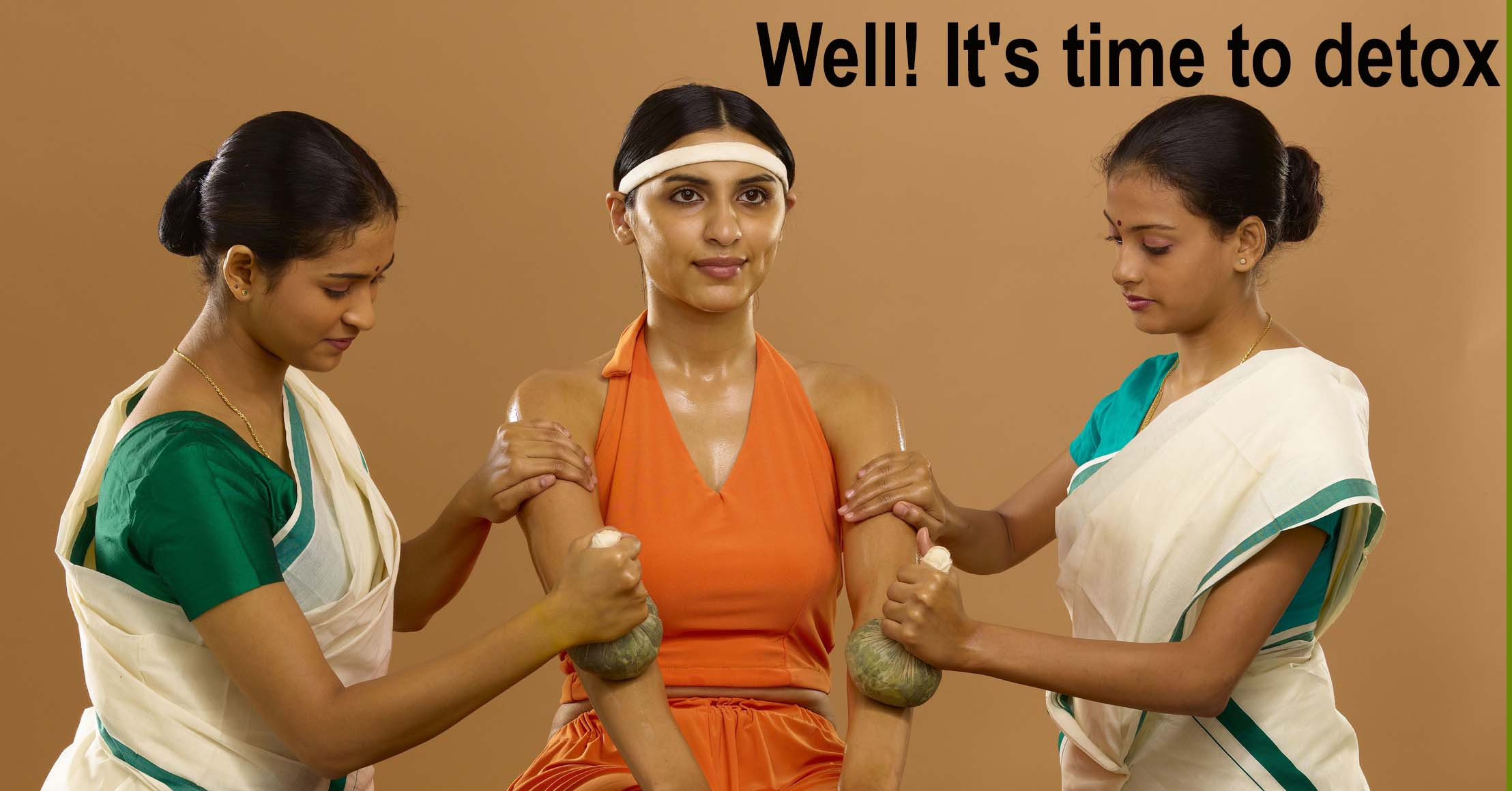
Ayurveda, the holistic healing science, is not limited to disease
cure and can contribute significantly to a person’s healthy lifestyle and over-all
wellness. The Malayalam month ‘Karkkidakam’
(monsoon season) is ideal for Ayurvedic remedies. It’s the time when monsoon
rains keep the atmosphere cool. All pores in human body will open and the therapies
prove most effective during this period.
Dr K Murali, son of Vaidyabhooshanam Raghavan Thirumulpad and the former Superintendent
of Government Ayurveda College, Tripunithura, Kerala, sheds light on the
importance of Monsoon treatment (Karkkidaka Chikitsa) and the common remedies
prescribed to free the body of accumulated toxins. He also explains when one
has to undergo the popular ‘Panchakarma’
treatment in an interview to The Ayurveda & Health Tourism Magazine.
Q: Why this season is
so important for Ayurvedic therapies?
Ans: In olden days, households relied on Ayurvedic treatments
during Monsoon, when rapid climate change and downpour resulted in deadly
diseases and epidemics. While the rich opted for ‘Pizhichil’or dhara (medicated
oil massaging therapy for rejuvenating the body), the poor used to take in
commonly available herbal supplements and apply oil on their bodies.
Time has changed a lot, but the practice is still followed
vehemently. Ayurvedic experts too fully agree Karkkidaka is the ideal period for rejuvenation treatments and
therapies to purify the body and the mind. After all, people are too busy with
their work for most part of the year, and taking a little time off their hectic
schedule for some self-care with focus on the body will only do them a world of
good.
But for any Ayurvedic treatment to have the desired effect,
it’s important to strictly adhere to a healthy diet, daily regimen and seasonal
regimen. The same applies to Karkkidaka
chikitsa too.
Q) What are the usual wellness treatments prescribed during
this period?
Ans: The common procedures revolve around two methods – Shamanam (pacification) and Shodhanam (detoxification). The former involves
cost effective treatments but the desired results could be obtained only over a
period of time. For example, Abhyanga
(oil massage).
Shodhana chikitsa is resorted to when the illness is
serious, cannot be treated with usual methods and recurring in nature. Therapeutic
procedures like Panchakarma should be administered/ monitored only by
Ayurvedic experts after understanding the specific nature of individuals. The
procedures are costly, complicated and aimed at cleaning the body of toxic
materials.
Q) Pachakarma is often
availed during this season? How is it helping in mind-body detoxification?
Ans: Panchakarma is
only one of the procedures of the seasonal treatments. It’s highly individualized
based on factors like Ayurvedic constitutional type, doshic imbalance, digestive
strength, immune status and the like. Hence it should be done only on the
advice of a qualified Ayurvedic physician. ‘Pancha’
means five and ‘karma’ refers to
actions or treatments. It includes:-
a)
Vamana (therapeutic emesis):- Under the samshodana method (bio-cleaning method),
the doshas are brought to Amashaya from
all over the body by the specific procedures and then eliminated out by inducing
emesis.
b)
Virechana (therapeutic purgation):- Purgation
is induced by drugs and it specifically aims at the elimination of excessive Pitta Dosha from the body.
c) Basti (enema):
It is advocated in the diseases of Vata. The
type of Basti where decoction is the major part is called Kashaya basti and that which uses oil or other sneha (oleaginous substance) is called snehavasti.
d) Nasyam: Administration
of medicinal drugs through nasal cavity.
e) Rakta Moksha: entails
the refinement of blood by eliminating toxins through the gastrointestinal
tract.
However, there are certain poorvakarma (preparatory measures) procedures like Snehana (administration of medicated
ghee or oil in large quantities) and Svedana
(Sweating therapy) before starting the main treatment.







