

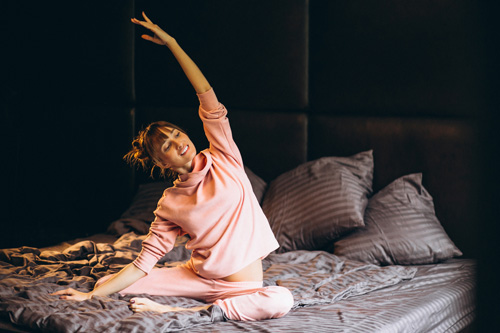
How do you feel when you wake up in the
morning— refreshed and ready to go, or groggy and grumpy? As many as one in
four Americans sleeps less than six hours a night. Insufficient sleep can make
you too tired to work efficiently, to exercise, or to eat healthfully.
Over time, sleep deprivation increases the
risks for a number of chronic health problems, including heart disease, stroke,
and diabetes. But emerging research shows that yoga may help you fall asleep
faster, sleep longer, and sleep more soundly—without the negative side effects
of medication.
How does yoga benefit sleep?
Yoga facilitates sleep by reducing stress,
anxiety, and arousal—all known causes of poor sleep. One small study looked at
a Kundalini meditation and breathing practice. Twenty people who had trouble
sleeping did the 30-minute practice every night before going to bed. After
eight weeks, researchers found that the participants were sleeping 36 minutes
longer on average and waking up less during the night. Overall, the quality of
their sleep improved by 11%.
Yoga and sleep for seniors
Sleep problems tend to increase as you get
older, but a study done on adults ages 60 and up offers some good news. When
scientists surveyed 35 seniors who had been doing a daily yoga practice for at
least two years, they found that those who did yoga fell asleep 10 minutes
faster, got an extra hour of sleep, and felt more rested when they woke up in
the morning, compared with seniors who did not do yoga.
Fall asleep faster
Yoga even helps with full-fledged insomnia.
While following common advice on how to get a good night’s sleep can reduce
sleep problems, people in one study fell asleep 37% faster after eight weeks of
yoga compared with 28% for those who received only the advice.
Research shows that there is a
“dose-response” effect—meaning that the more you practice yoga, the
fewer sleep disturbances you are likely to experience and the more restorative
your sleep will be. Even if you don’t have problems falling asleep, yoga can
improve the quality of your slumber.–
– Harvard
Medical School