

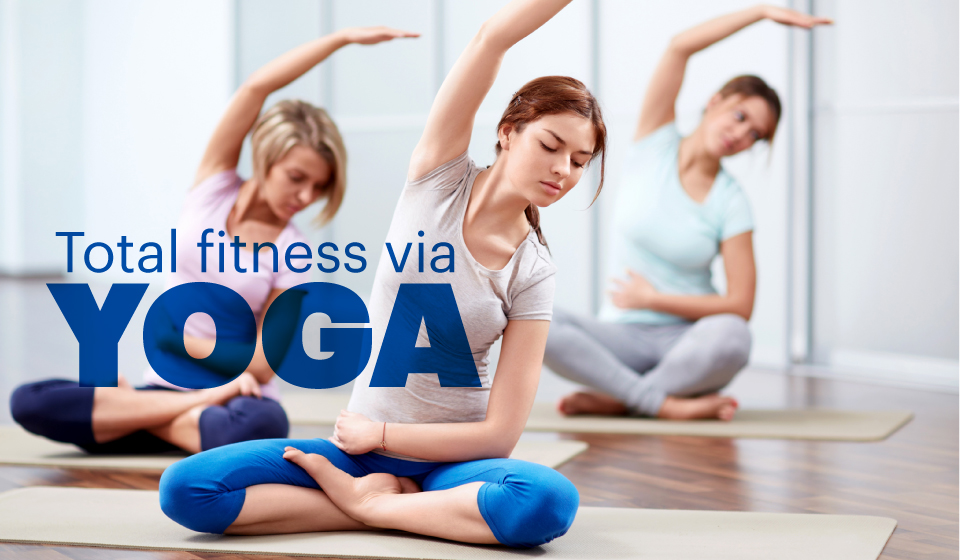
Yoga and physical education
are complementary disciples. While physical education enhances and harmonizes
physical, intellectual, emotional and social aspects of an individual’s
personality through direct physical activity, Yoga too can help one achieve
these fitness components in addition to emotional stability and confidence.
The last 100 years have
witnessed rapid strides in modern science, which touched almost all areas of
life. Highly-accurate and sophisticated methods for measuring and recording
certain physiological processes, such as brain and rhythm, heart rate and
neuro-electrical activity, are available now.
The physiological effects of
yogic techniques are being appraised now-a-days using these methods. These
studies chiefly relate to respiratory, circulatory, muscular-articular and, to
a lesser extent, endocrine and nervous systems.
All such investigations
could provide a deeper understanding of physiological, bio-chemical,
neurological and psychological effects of Yoga on the human system. It is the
need of the hour to utilize all this knowledge to boost our “fitness” for life.
According to modern
concepts, the main parameters of fitness are: strength, endurance, flexibility
and speed. Through regular Yoga practice, one can achieve all these fitness
components. The additional benefits of Yoga is that one can achieve
emotional stability and confidence, which helps one to cope with any
challenging situation.
The means for Yoga practice
are; Yogic postures (asanas), breathing practices (pranayama),
meditation and other special practices like mudras, bandhas and kriyas.
Yogic postures (Asanas)
Asanas have been evolved over
centuries and are intended to give exercise to each and every muscle, gland and
nerve in the body. These special patterns of postures establish proper rhythm
in the neuro-muscular tonic impulses and improve the general tone of muscles.
By regular practice, one develops agility, balance, endurance and great
vitality. Asanas are not just physical exercises but are
bio-physio-psychological postures.
Each posture helps stretch
some muscles, imparts a good massage to some internal organs, acts as an
energizer to some vital points, an extra refinement to respiration, a filling
feeling to the heart and transports plenty of nutrients to each cell. And to
top it all, Yoga causes no exhaustion to the body.
Breathing exercises (Pranayama)
The term Prana
indicates life force. Prana is the energy source of all functions in our
body. The primary expression of prana is the breathing cycle. And,
through pranayama (extension/control of breath), one regulates the pranic
flow through the subtle channels to make it proper and regular. Proper pranic
flow in the body means proper functioning of all internal organs. This practice
encourages slow and deep breathing which slows heart rate, regulates its rhythm
and oxygenates the blood. This induces a feeling of calmness which leads to
mental stability and confidence.
Bandhas and mudras
Bandha means bondage, and this is
practiced by contracting and controlling certain organs or parts of the body. Mudra
is a seal, an energy lock, or a closed circuit; in this context, a hand
position or a gesture. With these practices, one tries to consciously control
certain semi-voluntary and involuntary muscles in the body. The autonomic
nervous system is influenced by this and the internal organs get toned up.
Kriyas
Kriyas are deep-cleansing
processes that are six in number. These practices balance all the doshas
and they bring control over the autonomic nervous system.
Fitness factors
Yogasanas are mild, static types of
exercises. As Yoga sutras indicate: “Asana is a pose where
comfort and steadiness are blended perfectly. They provide stable and compact
foundations for remarkable improvement in stamina.”
Cardiovascular system (heart and arteries) — Asanas
are isometric, which means that they are holding muscle tension for a short
period of time. This improves cardiovascular fitness and circulation. Studies
show that regular Yoga practice helps normalize blood pressure.
Digestive system — Improves blood
circulation and the massaging effect of surrounding muscles speed up sluggish
digestion.
Muscular-skeletal – Joints are moved over
their full range of motion, which increases mobility and eases pressure. The
gentle stretching relaxes muscle tension and increases flexibility. Long-term
benefits include reduced back pain and improved posture.
Nervous system – Improved blood
circulation, easing of muscle tension and the act of focusing the mind on the
breath – all combine to soothe the nervous system. Long term benefits include
reduced stress and anxiety levels, and increased feeling of calm and
well-being.
General postures
develop flexibility, balance, strength and endurance. Flexibility is generally
developed for all major articulations, but the most important area for
flexibility is the hip. Balance helps to build up strength, control and
concentration. There are postures for balance almost on any body part that can
be used for this purpose, including the feet, knees, buttocks, shoulders,
elbows, fore-arms, hands and head. Balance postures are most often combined with
forward bends, back bends, or with padmasana (lotus posture).
Modern techniques and Yoga
A lot of athletes have
tremendous stamina, but in most cases, their minds don’t have the same
strength. Even simple problems can make them lose their balance, which may
result in aggressive response. For such people, Yoga offers relief and Yogic
practices release tensions from the body.
Yoga prevents and cures
sports injuries
Vigorous physical activities
leave muscles susceptible to pulls and strains. More intense practices need
more stretch and more are the chances of injury. Slow stretching procedures of
Yoga can prevent and cure these types of injuries. Yoga always tones up the
muscles. Athletes engaged in running events need to do maximum stretching
practices because their hamstrings and calf muscles are always vulnerable to
injuries due to vigorous activity. And with regular Yoga practice, one can
maintain one’s stamina and vitality throughout one’s life.
(Author A P Jayadevan is a
Yoga-ReiKi trainer)







