

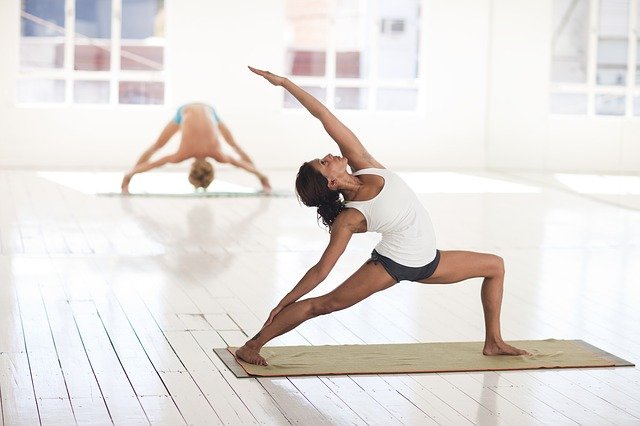
Yoga is an ancient system of practices
used to balance the mind and the body through exercise, meditation, and control
of breathing and emotion.
The regular practice of Yoga promotes
strength, endurance, and flexibility. It facilitates characteristics of friendliness,
compassion, and greater self-control while cultivating a sense of calmness and
well-being.
Here are a few do’s and don’ts that
one should strictly follow while practicing the spiritual discipline: –
Do’s
· Sauca meaning
cleanliness is an important prerequisite for Yoga practice. It includes the cleanliness of surroundings, body, and mind.
· The Asanas should be practiced on an
empty stomach. Consume a small amount of honey in lukewarm water if you feel
weak.
· Bladder and bowels should be empty before
starting yogic practices.
· Practice sessions should start with a prayer
or an invocation as it creates a conducive environment to relax the mind.
· Yogic practices shall be performed slowly, in
a relaxed manner, with an awareness of the body and breath.
· A warm-up or loosening exercise and stretches
before asanas are mandatory to avoid injuries.
· Asanas should
be done slowly and one should move to advanced postures with practice.
· Try to have Satvik food (avoid meat,
eggs, onion, garlic, and mushrooms from the diet).
· Stay hydrated before going into yoga practice.
· Be aware of breathing while doing Yogasanas.
· Complete the yoga session with relaxation
techniques to cool down.
· Don’t hold your breath unless it is specially
mentioned to do so during the practice.
· Breathing should be always through the
nostrils unless instructed otherwise.
· Yoga sessions should end with meditation or deep
silence.
The yamas and niyamas are Yoga’s
ethical guidelines and disciplines laid out in the first two limbs of
Patanjali’s eightfold path and together, they form a moral code of conduct. The
niyamas are things to do or observances. They include Sauca (purity,
clearness of mind, speech and body), Santoṣa (contentment, acceptance of
others and of one’s circumstances as they are, optimism for self), Tapas
(austerity, self-discipline, persistent meditation, perseverance), Svadhyaya
(study of self, self-reflection, introspection of self’s thoughts, speeches and
actions), Isvarapraṇidhana (contemplation of the God/ supreme consciousness).
Don’ts
· Yoga should not be performed in a state of
exhaustion, illness, in a hurry, or in stressful conditions.
· Women should refrain from regular Yoga
practice especially asanas during their menses. Relaxation techniques
and pranayama can be done instead.
· Don’t perform Yoga immediately after meals.
Wait until 2 to 3 hours after a large meal.
· Don’t shower or drink water or eat food for 30
minutes after doing Yoga.
· During illness, surgeries, or any sprains or
fractures, one should refrain from Yoga Practice. They can resume Yoga after
consulting experts.
· Don’t do strenuous exercises after Yoga.
· Don’t practice Yoga in adverse and extreme
weather conditions (too hot, too cold, or humid).
The yamas (restraints) as per
classical Yoga texts include Ahiṃsa (non-violence), Satya (truthfulness),
Asteya (not stealing), Brahmacharya (marital fidelity, sexual
restraint), Aparigraha (non-avarice, non-possessiveness.
(Source: Ministry of Ayush)







