

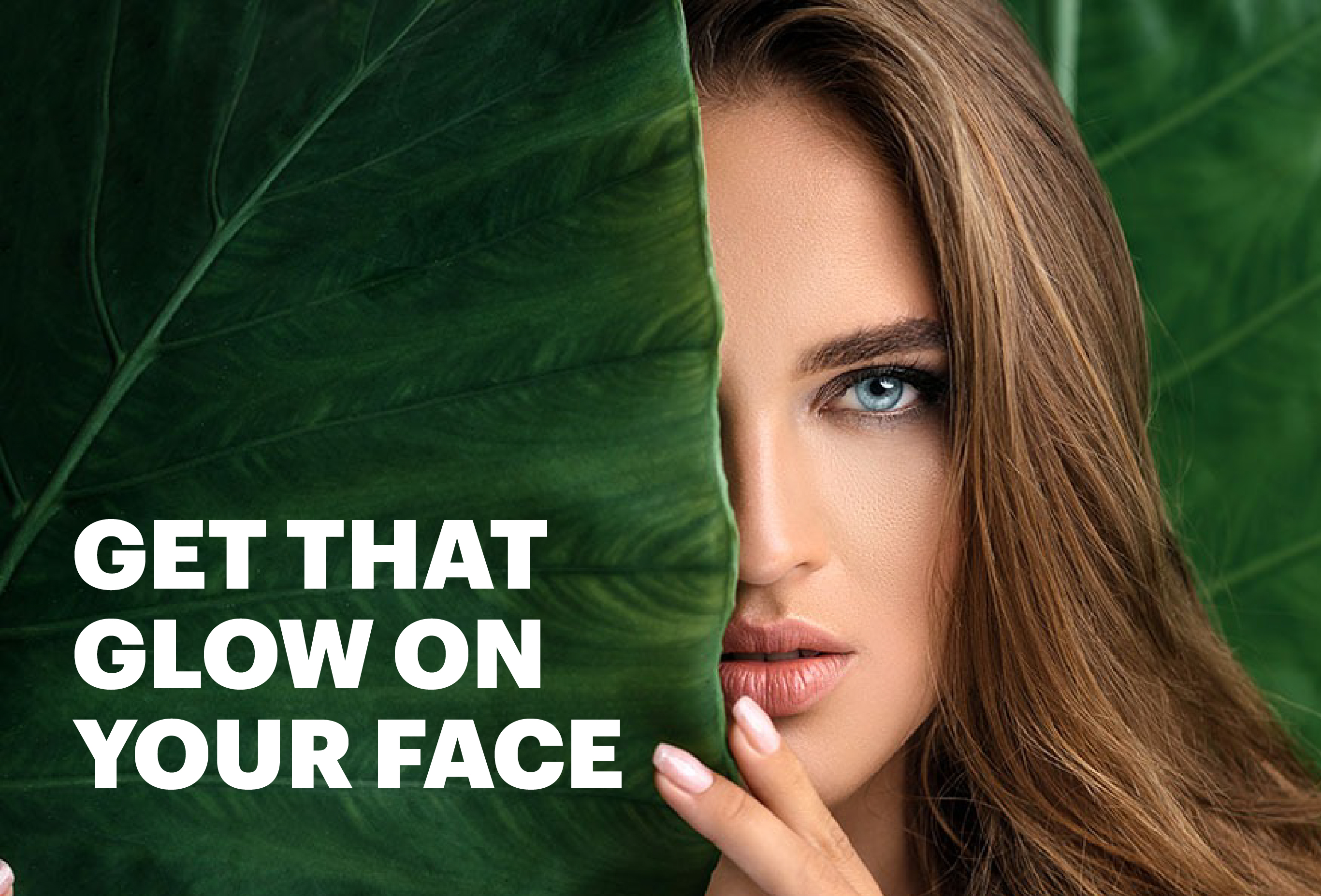
Face is the mirror, the barometer of an individual’s health.
Our facial skin needs constant care as flawless glowing skin is a crucial
component of our charm and more importantly, it can boost our self-confidence.
Ayurveda, the holistic healing science, offers scores of solutions for all skin
types.
The skin tone of a person indicates the constitution of one’s
body. If the skin is dry, rough, cold, thin with fine pores and wrinkled, then
the body is vata predominant. In the
case of pitha constitution, the skin
is fair, delicate with moles and acne and burns easily. In kapha prakruthi, the skin is oily,
smooth, moist and thick with a tendency towards large pores.
If proper care for the face is not taken, one may suffer from
premature ageing and become dull. Clear, lustrous and healthy face can be yours
at any age if you spend a few minutes daily to make your facial skin glow. And the steps are simple:-
Facial pack
It’s a deep exfoliating treatment. It must be done at least
once in a week for oily skin. Lemon peel, fresh Neem leaf paste, sandalwood
paste or Tulsi leaf paste can be used for facial masks. It may be applied with
smooth upward strokes after washing the face with lukewarm water. The face must
be washed off with plenty of water after every 30 minutes.
Cleansing
Cleansing removes impurities and stimulates the skin for
accepting nourishment. It must be done twice a day – in the morning and at
night. Choose non-soap cleaner appropriate for your skin. For instance rich,
nourishing green gram powder for dry vata-predominant
skin, neem or lemon for sensitive pitha
dominant skin and horse gram powder for very smooth and oily kapha skin.
Toning
Toning is one of the important ways to keep the skin healthy.
It removes impurities or greasy residue and helps balance the PH of the skin.
Toning stimulates blood circulation, closes the pores and helps absorb
nutrition from the moisturizer. Choose a toner suitable for your skin type.
Choose toners without alcohol, colours and artificial fragrance. Rose,
sandalwood and cucumber would be good choices for vata, pitha and kapha
respectively. Apply the toner on the face and the neck, after closing the eyes
using smooth, gently upward strokes.
Moisturising
Natural ayurvedic moisturizers contain herbal extracts in an
oil base – rich oils for dry skin and light oils for oily skin. Sandalwood,
brahmi, sathavari, amalaki, tulsi, neem and turmeric are the main skin
nourishment herbs in Ayurveda. Gently massage the face with smooth upward
strokes.
Common skin problems
Acne and pimples
Acne, pimples and black heads are often caused due to
aggravation of tridoshas, especially pitha. Intake of alcohol, excessive tea,
coffee and spicy and oily fried food can lead to this condition. Stress,
tension, anxiety and exposure to pollution and chemicals also aggravate the pitha dosha which results in acne, boils
and pimples. A paste made of turmeric and sandalwood mixed with milk is
effective for these problems. Daily intake of aloe vera pulp (100 ml) also
helps. One may apply turmeric powder paste and wash off before sleep. For
pimples, one may apply a paste of cumin seeds, and wash off after 30 minutes.
Pigmentation
Bhrajaka pitha is responsible for the colour of the
skin. Imbalance of the Bhrajaka pitha
can lead to discolouration, blackening and pigmentation. Excessive exposure to
sun, irregular food and sleeping habits and consumption of spicy food are the
main factors for increase of Bhrajaka
pitha.
One can apply papaya juice or mashed papaya to the affected
areas to get relief from pigmentation. One may also apply a paste made of equal
amounts of turmeric and sesame seed powder to get relief. Kumkumadi oil or eladi
coconut oil also helps fight pigmentation.
Premature ageing
Age causes dryness and wrinkling of the skin. Excessive
thinking, stress, tension, strain, irregular sleeping habits enhance ageing.
There are various options to prevent the onset of wrinkles, but the choice
depends on the nature of the skin. They include massaging the face with glee,
coconut oil or almond oil, application of face packs of grated cucumber or of
fresh aloe vera gel or sandalwood paste.
Face pack
Face packs (mukhalepa)
should be cool, except for people with vata
and kapha predominance. It should be
kept wet and one should preferably go for an oil bath after it is removed.
Ayurveda suggests different face packs for different seasons.
During monsoon, medicinal drugs such as sandalwood, khus grass (vetiveria
zizanioides), wide Himalayan cherry and Fetid cassia can be used either
individually or as a combination. These drugs are selected according to the dosha predominance or peculiarities of
that season.
Preparation
Fine powders of all the mentioned medicinal drugs should be
taken and made into a paste by adding water, either cold or lukewarm, rose
water, milk or butter milk.
Effect
An appropriate face mask can relieve a vata-predominant person of dry skin and burning sensation and
itching in pitha and kapha constitution people.
Herbs for face pack
The following are the common herbs used for preparation of
face pack.;-
Sandal wood
Santalum album. Chandana
in Sanskrit, safed chandan or santal in Hindi
Medicinal properties pacify vitiated pitha, heals burning sensation, head-ache, hyper perspiration,
psychotic ailments, memory loss, cardiomyopathy, ulcer, jaundice cough and
inflammation.
Khus grass
Vetiveria zizanioides, Samagandhika,
sugandhimoola in Sansrit, ramacham
in Malayalam.
Useful part – roots.
Medicinal properties: Pacifies vitiated vata and pitha, burning
sensation, ulcer, skin diseases, nausea, flatulence, colic, cough, fever, low
back pain, headache and general debility.
Wild Himalayan Cherry
Prunus cerasoides. Padmaka
in Sanskrit, Patmakath or Paddam in Hindi and Pathimukham in Malayalam.
Medicinal properties: pacifies vitiated pitha, burning sensation, wounds, ulcers, skin discolouration,
diarrhoea, asthma and fever.
Fetid Cassia
Cassia tora. Chakramarda
or Prapunnada in Sanskrit, Chakavad or Papamd in Hindi and Takara
in Malayalam.
Medicinal properties: pacifies vitiated tridoshas, skin diseases, dandruff, constipation, cough, hepatitis,
fever and haemorrhoids.
(The author Ayurvedacharya Devidasan Vellodi is senior,
consultant physician, AVN Arogya Ayurvedic Centre, Cochin.)







