
Acne
is a frustrating skin care issue, especially for women. This condition is referred
as Mukhadooshika (which harms the
beauty of the face) in Ayurveda. Dr. Arya Krishna explains how Ayurveda is effective
in treating the condition:-
Acne
is a skin condition that occurs when your hair follicles become plugged with
oil and dead skin cells. It often causes whiteheads, blackheads or pimples, and
usually appears on the face, forehead, chest, upper back and shoulders. Acne is
most common among teenagers, though it affects people of all ages.
As
per Ayurveda, the most common reasons for developing Acne are
•
Intake of fried and junk food
•
Poor sleep
•
Stress and anxiety
•
Hormonal imbalances
•
Overuse of cosmetic products
Role
of ‘Doshas’ in Acne formation
Acne
is formed due to imbalance of the three Doshas:
Vata, Pitta and Kapha, but mainly
due to the aggravation of the Pitta Dosha.
The vitiated Pitta is said to lead to
the vitiation of Rakta Dhathu (blood
tissue). Also, the vitiated Kapha Dosha
blocks the normal excretory function of the skin, thus preventing the release
of the waste materials inside the skin leading to symptoms like itching,
pustules and nodule formation. The vitiated Rakta
also stagnates waste materials in the skin and produces multiple eruptions,
redness, raised local temperature, thick bloody discharge formed from the boils
and abscess formation. Finally, the irritation, blackish discoloration and ugly
scars are formed.
In
Susruta Samhita (Classical Ayurveda
Textbook) Mukhadooshika comes under
the topic Kshudra Rogas (minor
diseases). And Acharya Susruta mentions the role of Kapha Dosha in Mukhadooshika.
When
Vata is the more vitiated Dosha, the formation of Acne is
associated with dryness and blackish discoloration. When Pitta is vitiated, Acne formation is associated with redness and
burning sensation. And when Kapha is
vitiated, development of pus will be seen.
Treatment
of Mukhadooshika
The
Ayurvedic method of managing this condition involves purification of the blood
and the body by using herbs with astringent qualities. Also natural complexion
enhancers can be used to moisturize the skin along with herbs that balance the
hormonal levels.
Five
important Herbs used for treating Acne
1.
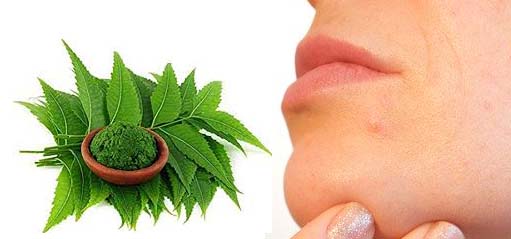
Neem– Well-known blood purifier that
prevents further deterioration of the skin
2.
Turmeric– Provides luster to the
face and helps to reduce oiliness in the skin.
3.
Sandalwood – Used to soothe the
skin.
4.
Nutmeg– Helps to reduce the scar
marks formed on the skin.
5.
Indian Gooseberry – Nourishes the
skin and blood.
Ayurvedic
Medicines and Therapies for Acne
Panchakarma (Purification procedures)
Panchakarma
is effective in eliminating toxins from the body. It purifies the skin from a
very deep level. This treatment helps in maintaining beautiful skin that is
free from pimples. It also reverses the negative effects of daily living and
thus helps to attain clear and glowing complexion.
Panchakarma
treatment like Vamana (Vomiting), Virechana (Purgation), Nasya (nasal administration of medications) are effective in treating
pimples.
Raktamokshan (Blood letting)
Here,
the circulated blood acts as a carrier of all vitiated Doshas and helps in removing stagnated blood i.e. Raktamokshan. This is a significant
method for treating Acne. Leech application for purifying blood is another para
surgical method described by Sushruta.
The
important Ayurvedic medicines for Acne management includes:-
1.
Triphala
Guggulu – It clears the channels and pores and dries up sebum.
2.
Khadirarishta
– Blood purifier
3.
Avipathikara
choorna – Corrects the digestive fire and can pacify the aggravated
Pitta dosha
4.
Sarivadyasava
– Blood purifier
5.
Mahamanjishtadi
Kashayam – Excellent decoction for blood purification. It cleanses the
blood tissues.
External
application of Kumkumadi Oil and Nalpamaradi Oil can help in reducing the
scars and acne.
Ayurvedic
home remedies for Acne
1.
Red Ixora flowers and rose flower petals are crushed and made into a fine
paste. A little turmeric is added and then grounded well. The application of
the final fine paste on the diseased area helps to clear the scars.
2.
In case of cystic Acne, where there is a local skin infection, application of
neem leaf paste or neem –turmeric paste is very useful.
3.
The juice of crushed fresh tulsi (Basil)
leaves is used for massaging the face. The same will be rinsed off after 15-20
minutes.
4.
Applying a few drops of raw honey on the pimples or the scars and rinsing it
off after 5-10 minutes regularly give good results.
5.
Applying lemon juice directly on the pimple overnight clears pimple and protects
the skin from further pimple attacks.
Ayurvedic
Diet and Lifestyle for Acne
1.
Intake of lukewarm water is good.
2.
Easily digested foods should be consumed.
3.
Avoid spicy (the spices will aggravate Pitta
Dosha), oily food items
4.
Intake of fruits like guava, apple, pear can help to reduce acne formation
5.
Deep sleep for at least 7-8 hours per day is good
6.
Anti-stress techniques like practice of Yoga and pranayama can help
7.
Washing the face 4-5 times a day with lukewarm water can be helpful
Diet
for Acne with Vata imbalance
• Include more fats and oils in your
diet, as these can help to soothe and smooth the digestion and nourish the
skin.
• Take low-fat dairy products.
• Go for grains such as rice and wheat.
• Favor sweet, heavy fruits such as:
bananas, avocados, and mangoes.
• Asparagus, beets, and carrots are good
• Spices like cardamom, cumin, ginger,
and cinnamon can be used
Diet
for Acne with Pitta Imbalance
• Low-fat dairy products can be used
• Skip anything that is fermented.
• Avoid sugar and opt for honey instead.
• Pacify Pitta with olive or coconut oil.
• Wheat, rice, barley, and oats are the
best grains to reduce Pitta.
• Eat sweeter fruits such as grapes,
melons, guava and cherries.
• Eat cooling, calming vegetables such
as asparagus, cucumbers, potatoes, sweet potatoes, and green leafy vegetables.
Reduce tomatoes, hot peppers, carrots, beets, egg plant, onions, garlic,
radishes, and spinach.
• Choose spices that will cool and
soothe. Coriander, cilantro, cardamom, saffron, and fennel are good choices
• Drinking cold water is good
Diet
for Acne with Kapha Imbalance
• Eat light.
• Reduce the intake of dairy products.
• Drinking hot ginger tea with meals
helps to stimulate slow digestion.
• Intake of beans and green peas is
advised
• Favour lighter fruits such as apples,
pears, pomegranates, cranberries, and apricots.
• Reduce heavier fruits like bananas,
avocados, pineapples, oranges, peaches, coconuts, melons, dates, and figs.
• In general, all vegetables are recommended,
but, reduce consumption of sweet and juicy vegetables such as sweet potatoes,
tomatoes, and zucchini.
• All spices except salt are pacifying
for vitiated Kapha. Use pungent
spices like pepper, cayenne, mustard seed, and ginger freely in your diet.
• Keep fats to a minimum.
• Grains: Favour barley, corn, millet,
buckwheat, rye. Reduce intake of oats, rice, and wheat.