

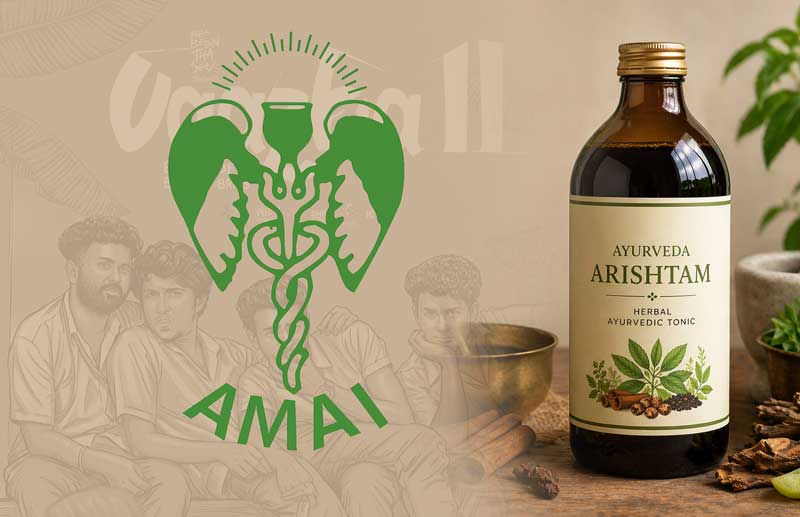
The Malayalam film Vaazha 2 has
stirred intense debate within Kerala’s Ayurveda community. At the centre of the
controversy is a storyline depicting liver damage linked to arishtam, a
traditional herbal preparation containing alcohol. While the Ayurveda Medical
Association of India (AMAI) has issued legal notices against the filmmakers,
hepatologist Dr. Cyriac Abby Philips—widely known as LiverDoc—has defended the
film, calling it an act of “public health activism.”
Dr. Philips argues that the film reflects
documented medical concerns, citing cases where unregulated use of herbal
formulations has contributed to liver injury. He praised the filmmakers for
raising awareness, noting that cinema can serve as a powerful medium to
highlight overlooked health risks. His stance, however, has intensified
tensions with Ayurveda practitioners who believe the portrayal undermines
centuries of traditional healing wisdom.
This clash underscores a larger question:
how should traditional medicine engage with modern scientific scrutiny?
Ayurveda has long underscored holistic healing, yet concerns about alcohol
content and heavy metals in certain formulations demand careful regulation. The
Vaazha 2 debate reminds us that safeguarding public health while honouring
tradition requires dialogue, transparency, and evidence‑based practice.







