
Studies today support the antioxidant,
anti-inflammatory, metabolic, cardiovascular, and anticancer effects of
pomegranate components for potential nutraceutical and pharmaceutical
applications. The bioactive compounds such as punicalagins and ellagic acid in
pomegranate show strong antioxidant, anti-inflammatory, and cardiovascular
benefits, supporting health and longevity. Current research confirms comparable
efficacy between pomegranate juice and extracts while emphasising safe,
evidence-based use.
Moreover,
comprehensive evidence backs pomegranate-derived products as multi-target
nutraceuticals that help redox balance, control inflammation, and mitigate
age-related functional decline.
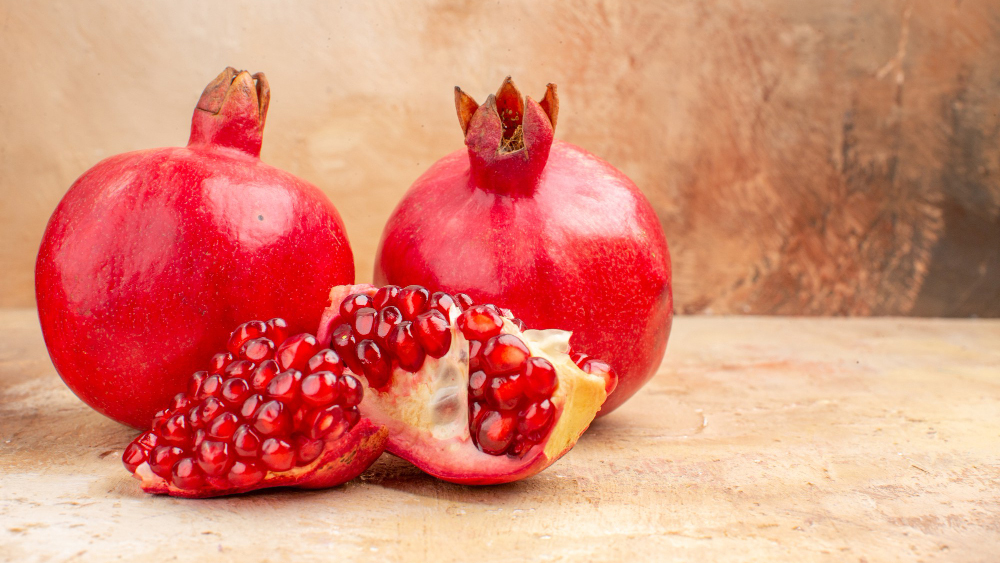
Pomegranate
has been used in traditional practices ranging from Chinese medicine to Tibetan
and Uyghur rituals. Pomegranate (Punica granatum) peel, seeds, flowers, and
bark are used for treating stomach ailments, diarrhoea, wound care, and
parasite control. Today, pomegranate fruit is eaten across world in various
forms–fresh, juice or processed into extracts, oils, cosmetics, animal feed,
and functional foods across the world.
Modern reviews highlight pomegranate’s role
in promoting healthy aging through modulation of mitochondrial function and
immune cell oxidative balance, reflecting its integration into both traditional
and evidence-based medicine frameworks.
Studies have shown that punicalagins,
ellagic acid, and anthocyanins help reduce oxidative stress, modulate NF-κB
signaling, and improve vascular parameters, including blood pressure and
endothelial function. Still, it is good to consult doctors in case of taking it
as concentrated supplements.