

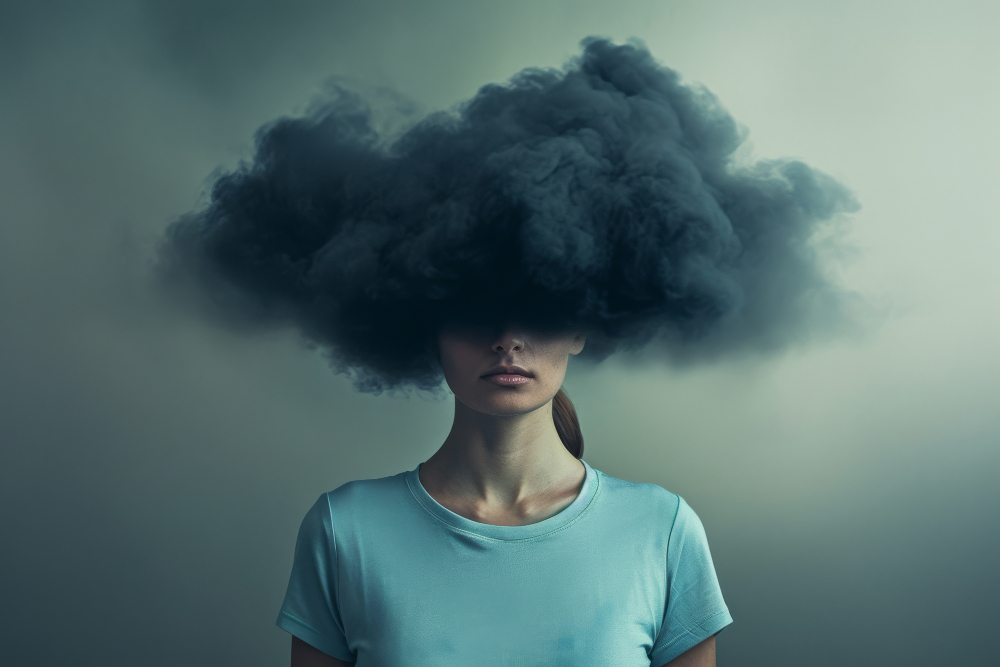
Do you experience frequent and excessive anxiety, fear, terror and panic in everyday situations? If yes, then it is unhealthy and can disrupt your life and wellbeing.
Common symptoms of anxiety disorders include experiencing a sense of impending panic, danger or doom; feeling helpless or nervous; hyperventilating; an increased heart rate; obsessively thinking about the trigger of your panic; sweating; and trembling.
In an expert alert, Siri Kabrick, a nurse practitioner in Psychiatry & Psychology at the Mayo Clinic Health System in Fairmont, Minnesota, shares 11 tips for coping with an anxiety disorder.
“While many people with anxiety disorders need psychotherapy or medications to get anxiety under control, lifestyle changes and coping strategies also can make a difference,” Kabrick says.
Here are her eleven tips:
- Avoid alcohol and recreational drugs: These substances can cause or worsen anxiety. If you can’t quit on your own, see your healthcare team or find a support group to help you.
- Eat healthy foods: A healthy diet that incorporates vegetables, fruits, whole grains and fish may be linked to reduced anxiety, but more research is needed.
- Identify triggers: Learn what situations or actions cause you stress or increase your anxiety. Practice the strategies you developed with your mental health professional so you’re ready to deal with anxious feelings in these situations.
- Keep physically active: Develop a routine so you’re physically active most days of the week. Exercise is a powerful stress reducer that can improve your mood and help you stay healthy. Start slowly and gradually increase the amount and intensity of your activities.
- Learn about your disorder: Talk to your healthcare team to discover what might be causing your specific condition and what treatments might be best for you. Involve your family and friends and ask for their support.
- Make sleep a priority: Do what you can to ensure you’re getting enough sleep to feel rested. If you aren’t sleeping well, talk with your healthcare professional.
- Quit smoking and reduce or quit drinking caffeinated beverages.
- Socialize: Don’t let worries isolate you from loved ones or activities.
- Stick to your treatment plan: Take medications as directed. Keep therapy appointments and complete any assignments your therapist gives.
- Use stress management and relaxation techniques: Visualization techniques, meditation and yoga are examples of relaxation techniques that can ease anxiety.
- Write in a journal: Keeping track of your personal life can help you and your mental health professional identify what’s causing you stress and what seems to help you feel better.







