

A recent study published in the Indian
Journal of Anesthesia and Research sheds light on a significant
breakthrough in treating migrated lumbar disc herniation, offering new hope for
patients seeking non-surgical solutions.
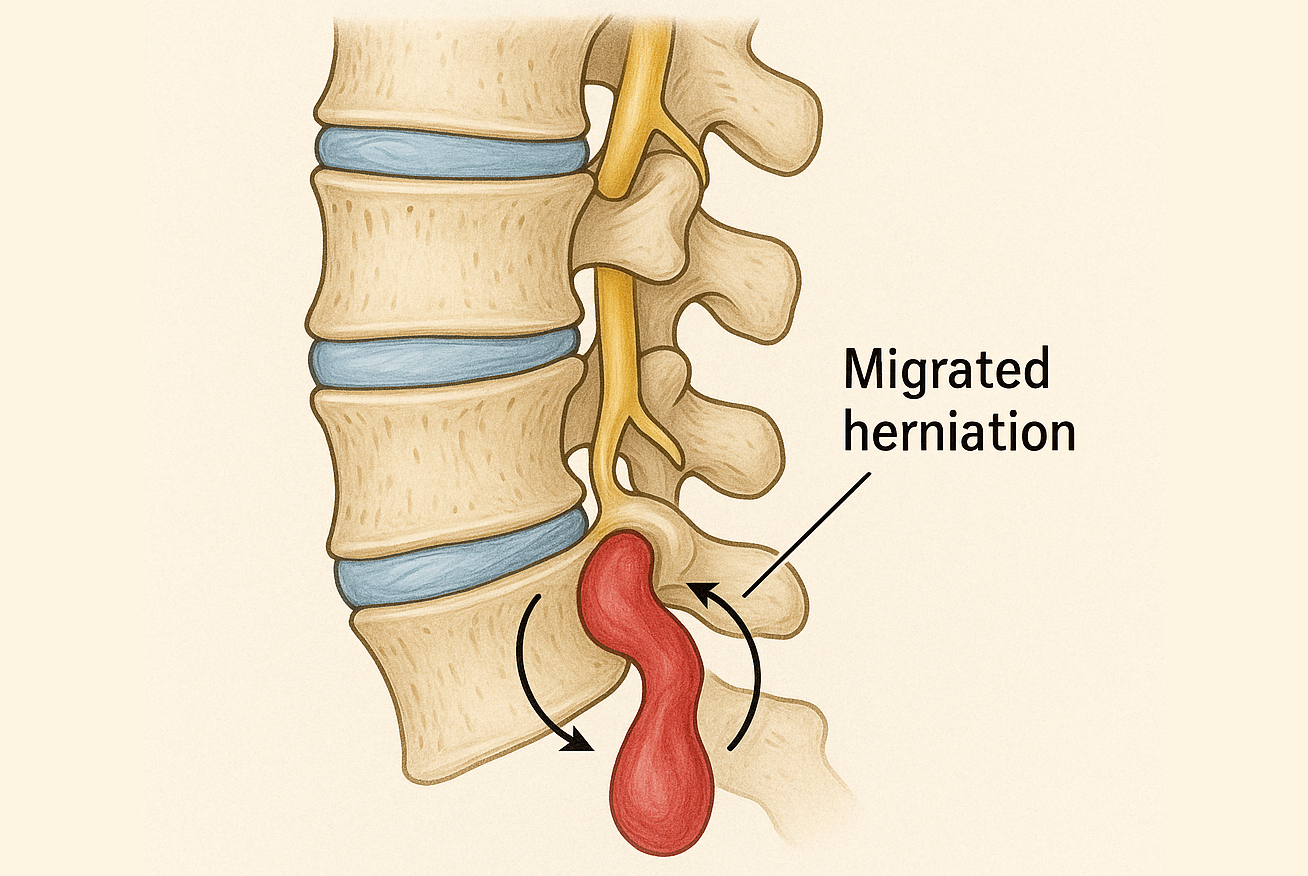
A migrated lumbar disc herniation is a
specific type of spinal disc injury where a fragment of the disc’s inner core,
known as the nucleus pulposus, escapes through a tear in the outer layer
(annulus fibrosus) and moves away from its original position within the spinal
canal. This displacement can occur in various directions—upward, downward, or
sideways—and may lead to compression of nearby nerve roots, resulting in
symptoms like lower back pain, sciatica, numbness, or muscle weakness.
Conducted by leading experts in
neurosurgery, the research highlights how advanced imaging techniques and
targeted therapeutic approaches can improve patient outcomes. Rather than
opting for invasive procedures, the study found that individuals following
specialized rehabilitation protocols experienced remarkable pain relief and
enhanced mobility.
Mind–body connection in healing
The findings align closely with Ayurveda’s
comprehensive approach to spinal health, emphasizing early intervention and
personalized treatments. Ayurvedic therapies such as Panchakarma, Basti
(medicated enema), Abhyanga (oil massage), and yoga-based spinal corrections
have long been recognized for their ability to support recovery from
disc-related conditions.
A Shift Towards Integrative Care
The study encourages a multidisciplinary
approach, integrating precision diagnostics, manual therapies, and lifestyle
modifications to optimize healing. This reinforces the growing acceptance of
non-pharmacological, evidence-based therapies in spinal care.
With Ayurveda practitioners already
focusing on mind–body balance, these findings serve as a reminder of the
system’s timeless wisdom in managing musculoskeletal health.
Citation:
Hamal, A., Shin, A., & van Tilburg, M.
A. L. (2025). Significant resolution of migrated lumbar disc herniation. Indian
Journal of Anesthesia and Research. Retrieved from LWW Journals.







