

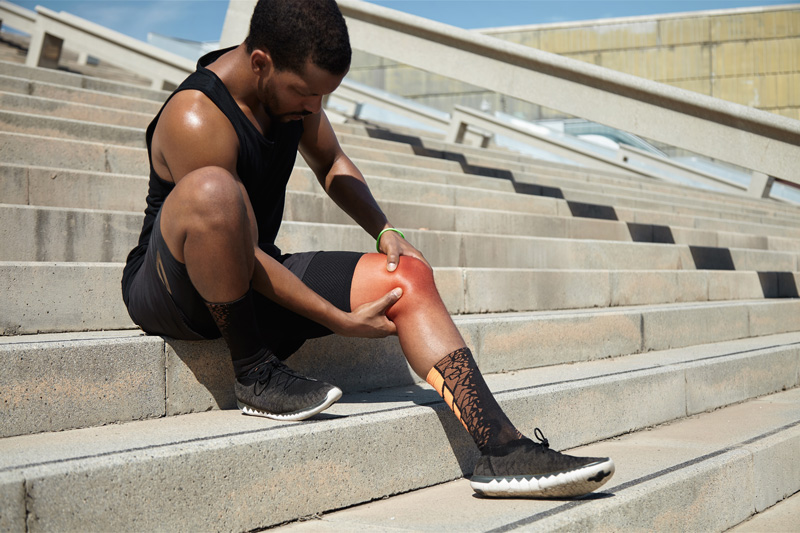
The conditions that contribute to leg pain
can range from fractures, muscle tears, and sprains, to long-term problems
caused by osteoarthritis, peripheral neuropathy, and vascular disease. How
to resolve both the pain and the
problem, read on…
The muscles in your legs are made up of
bundles of fibers that alternately contract and expand to produce movement. A
cramp is a sudden, involuntary contraction (tightening) of one of these
muscles, typically in your calf. Cramps can last anywhere from a few seconds to
several minutes. They can be mild, or intense enough to wake you out of a sound
sleep. A sudden, painful muscle spasm in the leg is called a charley horse,
which legend has it is named after baseball player Charlie “Hoss”
Radbourn, who reportedly suffered from frequent cramps back in the 1880s.
Sometimes there is no obvious cause for a
cramp. Exercise is a common trigger, especially after you’ve exercised for a
long period of time or in the heat. Muscles that are tired or dehydrated become
irritated and are more likely to cramp up. A deficiency of electrolytes such as
magnesium or potassium in your diet can lead to more frequent cramping, by
preventing your muscles from fully relaxing. The risk of a cramp increases
during pregnancy, possibly because of circulatory changes and increased stress on
the muscles from a growing belly. Age is another factor, with cramps becoming
more frequent in middle age and beyond. Older muscles tire more easily, and
they become increasingly sensitive to dehydration. Cramps can also be a side
effect of medicines like statins, which are used to treat high cholesterol..
Symptoms of muscle cramps
They can include:
- ·
Sudden pain and tightness in a muscle, typically in your calf - · A
temporary hard lump or twitching under the skin
Diagnosing muscle cramps
You should be able to treat a cramp on your
own, but see a doctor if your cramps are severe, you get them often, or you
have other symptoms (like numbness or weakness) along with them. Rarely, cramps
can signal a problem with the spine, blood vessels, or liver.
Treating muscle cramps
Most cramps will go away on their own
within a few minutes. Massaging or gently stretching the muscle will help it
relax. If the cramp begins while lying or sitting, standing up may be all that
is needed. Heat is soothing to tense muscles. Apply a heating pad or warm wet
washcloth to help loosen up the muscle.
To avoid leg cramps in the future, drink
plenty of fluids before and during exercise. Muscles need fluid to contract and
relax properly. Prevent tightness by warming up your leg muscles before you
work out with some walking in place or a slow jog. After each workout, stretch
out your leg muscles for a few minutes. Do another set of stretches before bed
if you tend to get cramps while you sleep.
– Harvard Medical School.