

The threat of deadly Covid-19 is unlikely to ebb anytime soon
though scientists are working day in and day out to develop a vaccine, which
would prepare our body’s immune system to fight the incoming infection. Most
experts say that the vaccine is at least a year away. It’s here that the role
of traditional medicines including Ayurveda comes. They have been found
effective in boosting one’s natural immunity and are strongly advocated by the
AYUSH Department. However, a strict daily regimen is a must, especially when it
comes to Ayurveda. Dr Geetha G Menon of the renowned Keraleeya
Ayurveda Samajam shares some valuable information with regard to the
ayurvedic regimen one should follow so as to be free of diseases.
Ayurveda, the world’s oldest system of recorded health care,
focuses on total wellness of an individual. It pin-points five factors as
essential for boosting one’s immune system– diet (annam), exercises and
general mode of life (viharam), sleep (nidra), mental wellness
and medicines.
The preventive aspect of Ayurveda includes both daily and
seasonal regimen. While the former deals with activities one has to follow from
the time one wakes up till he/she goes to bed, the latter focuses on the change
of annam and viharam one should make in tune with the change in
seasons.
Having the right food at the right time in the right way
assumes much importance according to this ancient science. Food should form
only half portion of the stomach with liquid filling up one-fourth of the
remaining. Avoid eating till you feel full as there should be sufficient space
of air passage. Similarly, intake of hard foods (rice, chappati and the like)
should be limited to once a day. It’s advisable to include easily digestible
foods like Idli, Idiyappom or porridge for breakfast. One should try to
take fruit juices or vegetable soups along with these. The latter can be
prepared using turmeric powder, cardamom powder and dried ginger (chukku).
It’s more than enough to have “three square meals a day”
while fluids should be had at regular intervals. Butter milk prepared using
ginger, turmeric powder and curry leaves and fresh coconut water are ideal choices.
The diet should include a lot of vegetables and fruits while limiting the
intake of fish and meat. One can have a ‘heavy’ lunch but a light dinner. Care
should be taken to avoid consumption of fried and spicy food.
The traditional science speaks of equilibrium of vata,
pitta and kapha as ideal for a healthy body and mind. The food we
take and the general mode of life have much influence on each of these three doshas.
As for viharam (activities), it’s ideal to have bath twice a day,
especially if it’s hot and humid climate. Applying oil to the body once a day
(before bath) and use of cotton clothes is recommended.
In Ayurveda, Swastavritta (personal hygiene) is vital
and includes habits like waking up early, washing face with cold water and
consuming warm water besides the usual hygiene activities (brushing, bathing
and the like). One should also go to sleep early.
It’s very important to have sound sleep, a minimum of six to
seven hours, during night. One can also rest for at least half an hour during
day time. Similarly, regular exercise has many benefits for one’s body and
mind, though it is better to avoid activities resulting in excessive sweating.
The regular practice of yoga, meditation and pranayamam
for half an hour in the morning will help you attain a healthy mind. Good
personal hygiene and keeping the house and premises clean will also go a long
way in keeping the diseases at bay. ‘Aparajitha dhooma’, the smoke of
which will reduce the potency of germs and drive away mosquitoes, is ideal for
environmental cleansing.
Consumption of boiled milk mixed with turmeric powder (two
tea-spoon per glass) is ideal for boosting immunity. However, those suffering
from cough or related ailments should avoid milk and instead they can consume
hot water mixed with turmeric powder. The magical herb tulsi is the most
effective and one can simply chew and have tulsi leaves. Boiled water
mixed with chukku (dried ginger) and malli (cilantro) can be had
at regular intervals.
As for preventive ayurvedic medicines, Indukantham
kashayam, Drakshadi kashayam (both 15 ml on 60ml boiled water), Vilwadi
gulika, Sudarshana gulika, are all effective. While the kashayams
should be taken before food, the gulikas (one pill each in morning and
night) can be had after the food.
Similarly, ‘Irattimaduram’ and ‘ashwagandam’
are known for their immuno-modulator properties and can be taken in daily. The
former can be mixed with warm water and gargled before going to bed. Having a
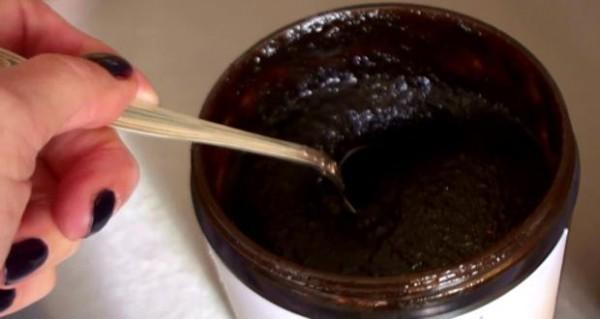
teaspoon of any of the Chyavanaprasham, vidharadi lehyam or ashwagandha
rasayanam is good for boosting the body immunity. However, diabetic
patients should avoid chyavanaprasham as they are prepared using
jaggery. They can take ashwaganda choornam.
(For any queries, contact 0484-2375603 or write
to drgeethagmenon@gmail.com)







