

The origin of many imbalances in the body and mind can be traced
to what we eat and how we eat. Attention to proper diet is central to building Ojas,
a state of overall well-being. Dr Bhaswati Bhattacharya, renowned Ayurveda scholar and Clinical Assistant
Professor of Medicine at Well Cornell Medical College in New York, explains Ojas
and how we can enhance it to keep diseases at bay.
Ojas is the state of well-being in which the
body-mind reflects true strength through resilience and vitality that keep it
healthy and supple. It prevents decay and degeneration of the body. Ayurveda
tells us that negative and unattended emotions lurking in the mind are causative
factors of many diseases. They prompt us to be less perceptive or misperceive
the world around us.
The gut is the central focus of Ayurvedic interventions.
Known as the mahasrotas, the gut and its fires digest all we take in.
The origin of many imbalances is in what we eat and how we eat. One of the
primary sources of the loss of Ojas is the lack of attention to our
diet. Attention to our food habit, known as pathya, is a central tenet
to building Ojas.
Ultimately, the goal of Ayurveda is to increase the Ojas
in each being, by understanding and modulating the factors that influence
immunity of the body. Ayurveda talks about stress and its impact on our Ojas
and prescribes a healthy daily routine called dinacharya to deal with it;
modern medicine is now finding that burning midnight oil, too much stress and
lack of skills to cope with it and bad food impact our immune system.
To increase Ojas, Ayurveda stipulates daily routine with
several dozen instructions on specific tasks. These can be divided into early
morning routine, cleaning the senses, understanding how to bath the body,
living in the world and evening chores.
In addition to lifestyle choices, ayurveda is clear on what
food to consume and what not, depending on our constitution, the season, our
gut’s fire, and our pace of running a day. We have three opportunities a day to
medicate ourselves with food: breakfast, lunch and dinner. The same are also opportunities
to harm ourselves with food. Our choices of what we put into our mouth, who we
eat with, whom we allow to prepare our food, and our level of awareness of our
food’s origin and its journey from soil to spoon, determine how much we build
or decay our Ojas.
The foods recommended for increasing Ojas include
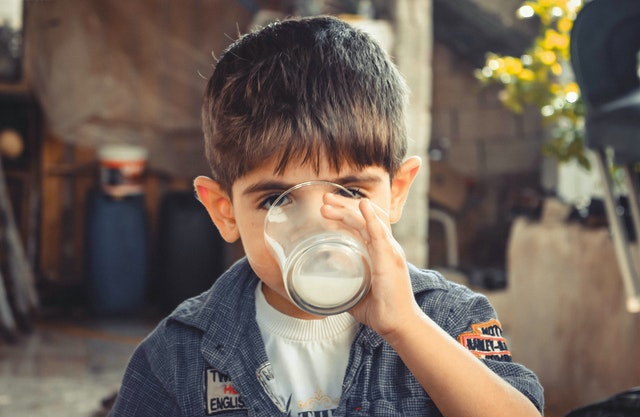
milk, ghee, home-made curd/yogurt, honey, fruits, and in some cases meat soup.
Of the grains, barley is most recommended. An entire list of food is given in
the texts to be personalised and prescribed by a vaidya. Also, the modern
milk available in the market formed from pooling milk from many cows, homogenization
of fat droplets, pasteurization to reduce microbes, artificial addition of
Vitamin A & D, addition of sugar as preservative, is without Ojas-building
properties. The healthy habit is to drink milk that is from a single cow fed on
same grass and is well treated and has its calves nearby. Boil the milk gently and
drink warm.







